Multimodal Music Teaching. New Pathways Through Sound, Movement & Sensory Interaction
Music is one of the richest learning tools for SEND learners, but only when it is delivered in a way they can access. For many learners, sound alone is not enough. They need colour, vibration, movement and clear visual cues to make sense of what is happening. Multimodal music teaching bridges that gap and turns music into a powerful tool for communication, regulation and engagement.
What is it really?
Multimodal music teaching means using more than one sensory pathway to support music making and music understanding. This can involve sound, light or visual cues, movement, touch and rhythm through vibration or tapping.
For SEND learners especially, combining these modes makes music more predictable, more meaningful and more enjoyable.
Why It Matters in Education and Therapy
Many SEND learners struggle with abstract or purely auditory information. Music delivered through a single sensory channel may feel confusing or overwhelming. A multimodal approach helps learners anticipate what will happen next, follow rhythms using visual or tactile cues and regulate through predictable beats and repeating patterns, as well as engage more confidently with group music making, build communication through action based responses and develop motor skills through small, accessible movements
Music becomes less about performance and more about participation.
What we know so far
Research shows that combining visual, tactile and auditory cues improves attention and retention, while predictable rhythms support emotional regulation. Movement paired with sound strengthens motor planning, and multimodal input helps learners understand cause and effect within music. Shared rhythmic activity also increases social connection and joint attention.
Studies highlight that learners with autism, PMLD and complex needs often respond more consistently when music includes visual or tactile anchors such as coloured lights or vibration.
Practical Strategies You Can Use Tomorrow
- Use colour to signal rhythm or turn taking
A light cue can show when it is a learner’s turn or when to play. - Pair movement with sound
Even a simple tap, reach or bounce helps learners feel the beat in their body. - Add tactile elements
Scarves, drums, vibrations or textured objects help learners access rhythm physically. - Break tasks into simple, repeatable loops
Predictable patterns reduce anxiety and increase confidence. - Use call and response
You tap, they tap. You hum, they vocalise. Communication grows naturally. - Celebrate exploration
Any sound, tap, vocalisation or movement is a valid contribution.
Real Classroom Story
Cosmo supports multimodal music teaching by combining light, touch, sound and movement in simple, accessible activities. This helps SEND learners follow rhythm, anticipate cues and participate in musical play without needing advanced motor skills or language.
- Use light pulses to teach rhythm visually
- Invite learners to trigger sounds by tapping a Dot
- Create movement based musical games where learners follow colours
- Pair Dots with music making apps like GarageBand for composition
- Use simple sequences to support predictability and regulation

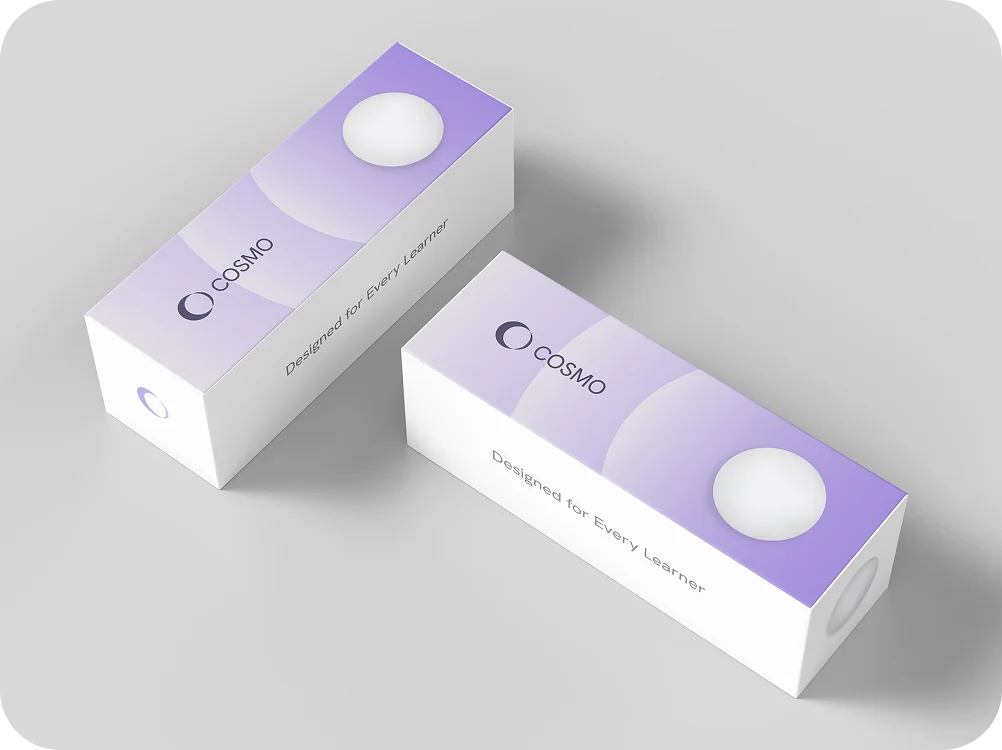

Cosmo makes it easy to deliver music in multiple sensory modes at once. Music becomes a shared sensory experience rather than a passive activity.

Lorem Ipsum
Multimodal music teaching makes music accessible for learners who need more than sound to understand and participate. When rhythm, light, movement and touch work together, music becomes a powerful tool for regulation, communication and joyful engagement. Small sensory choices can unlock musical participation for learners who might otherwise remain silent or withdrawn.