The Secret Power of Multi-sensory Learning That Most Classrooms Miss
Many learners switch off not because they cannot learn, but because the lesson is delivered in a way their brain is not built for. When we teach through only one sense, we leave a lot of potential on the table. A multisensory approach changes everything.
What is it really?
Multisensory learning means teaching through more than one sense at a time. Instead of relying solely on listening or looking, it brings together sight, sound, touch and movement to help learners process information in a fuller and more natural way.
Why It Matters in Education and Therapy
Classrooms and therapy rooms are full of learners with different profiles, strengths and challenges. A multisensory approach makes learning more inclusive because it supports attention through action rather than passive listening, it helps information stick through repetition across senses, it reduces frustration by offering different entry points to understanding and it creates calmer sessions by grounding learners through sensory input.
For those with SEND, a multisensory method can transform access to communication, literacy, emotional regulation and social participation.
What we know so far
Emerging neuroscience shows that the brain learns best when multiple senses are activated together. Multisensory interaction strengthens neural pathways and makes memories easier to retrieve. Studies show that learners develop skills more quickly when activities include visual, auditory and tactile elements rather than a single sensory channel. Research in SEND education highlights that multisensory instruction increases engagement, reduces anxiety and supports more consistent progress.
Practical Strategies You Can Use Tomorrow
- Use sound cues, colour and touch together when introducing new concepts.
- Let learners act out stories or ideas with body movement to support understanding.
- Add tactile materials for tracing letters, numbers or shapes.
- Give learners opportunities to respond in different ways: verbal, gestures, tapping, pressing, pointing.
- Use rhythm or beat patterns to teach sequencing or language.
- Offer visual choice boards or objects of reference during communication tasks.
- Incorporate light, texture or vibration to support focus during regulation moments.
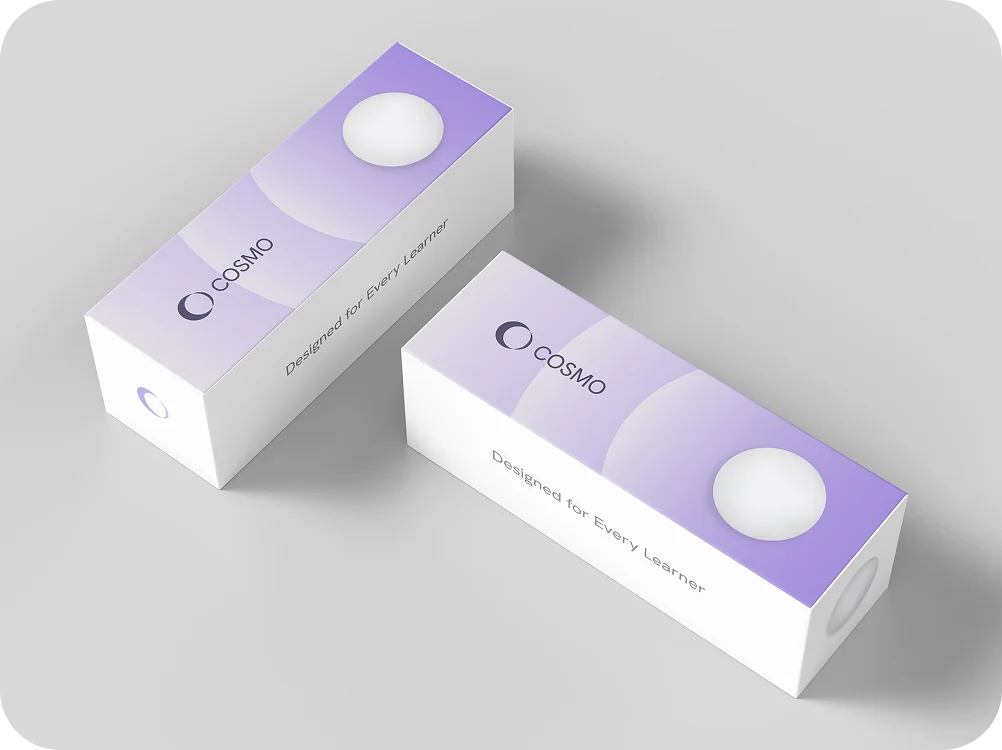
At Cosmo we follow the same principles. Our learning system brings light, sound, touch and guided movement together to support focus, communication and confidence. The aim is always to make learning more accessible and meaningful, not more complicated.
Real Classroom Story
Fiona, a teacher at Southgate College in London UK, uses Cosmo as part of her storytelling sessions. One of her learners’ favourite activities is ‘’Razia learns to swim’’, one of Cosmo storytelling activities.
She uses the Dots to signal actions with light and sound while adding sensory elements like a gentle water spray for splashes and bubbles for movement.
The multisensory mix keeps learners fully engaged. The lights guide attention, the tactile response supports participation and the water and bubbles make the story feel real. Learners who usually struggle to stay focused begin to anticipate moments, take turns and stay involved for much longer.


It shows how simple multisensory choices paired with Cosmo can turn a basic story into a rich learning experience that strengthens communication, regulation and confidence.

Lorem Ipsum
Multisensory learning is not a trend. It is how the brain naturally understands the world. For many learners with PMLD, it is also the bridge that allows us to break through the communication wall. Sound or touch on their own may not be enough for a learner to realise that something is happening. When senses are combined, the world becomes clearer, and learners begin to respond, connect and come out of their shells.
Teaching through the senses does more than support engagement. It opens a doorway to interaction, confidence and real participation. Even the smallest sensory choices can create meaningful shifts in connection and progress.